Killing Commercial Login
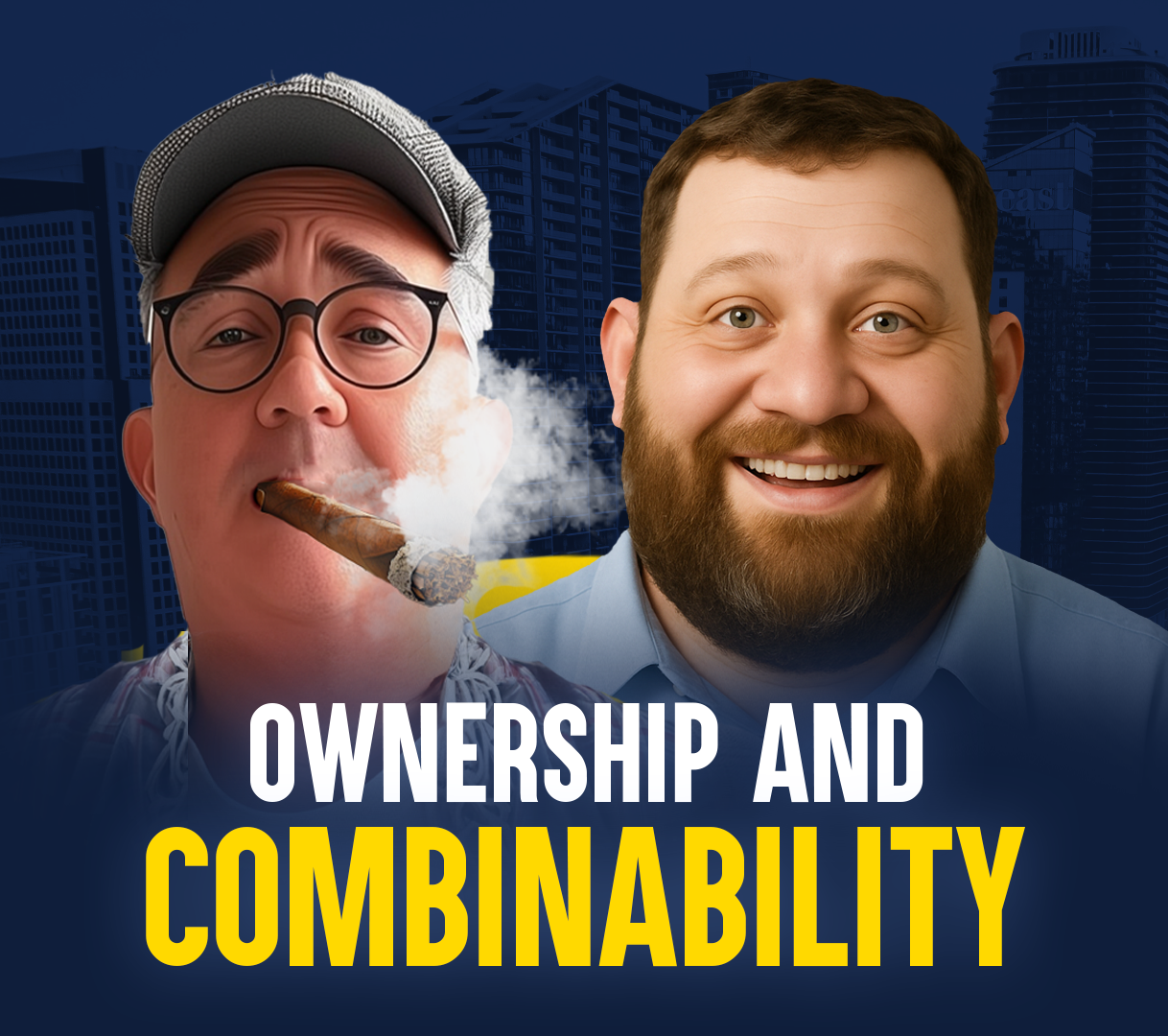
Ownership and Combinability with Kevin Ring, Shoptalk Episode #180
Facebook
Twitter
LinkedIn
Podcast » Ownership and Combinability with Kevin Ring, Shoptalk Episode #180
In this Power Producers Podcast episode, David Carothers is joined again by Kevin Ring, lead analyst at the Institute of Work Comp Professionals. The two dive into a critical yet often overlooked aspect of workers’ compensation—understanding common majority ownership and how it affects the experience modification factor (mod). This discussion is vital for agents who deal with businesses that own multiple entities or engage in mergers and acquisitions. Kevin explains why agents need to be proactive in gathering ownership details and completing the ERM-14 form accurately to avoid costly errors and ensure proper coverage.
David and Kevin explore the challenges agents face when dealing with businesses that have ownership stakes in multiple companies, and the importance of combining those companies on the same experience mod. They also touch on how M&A activity and asset purchases can complicate the mod process and why it’s crucial for agents to educate clients on these risks before they make business decisions.
Key Highlights:
Understanding Common Majority Ownership
Kevin explains how the common majority ownership rule affects the experience mod, and why it’s crucial for agents to ensure all companies under shared ownership are combined on the same mod.
The Importance of Ownership Questions
Agents often skip asking clients about ownership in multiple businesses. Kevin emphasizes that these questions are critical not just for workers’ comp but also as a sales tool to deepen the client relationship.
Navigating Mergers and Acquisitions
David and Kevin discuss the complexities of mergers and acquisitions and how acquiring a company impacts the buyer’s experience mod. They explain why agents must ensure clients understand the financial implications of combining experience mods post-acquisition.
Filling Out the ERM-14 Form
Kevin breaks down how to properly fill out the ERM-14 form, highlighting the importance of providing a narrative and accurate details to the Rating Bureau. This process helps agents avoid confusion and ensure proper risk management.
Avoiding the Mod Evasion Trap
David and Kevin talk about how some businesses attempt to evade mod increases by creating new entities or joining PEOs. Kevin stresses that while this may seem like a short-term solution, it doesn’t address the root causes of high experience mods.
Planning for Future Business Transactions
Kevin advises agents to proactively discuss business transactions, such as buying or selling a company, with their clients to avoid unexpected complications in workers’ comp premiums and ensure proper coverage adjustments.