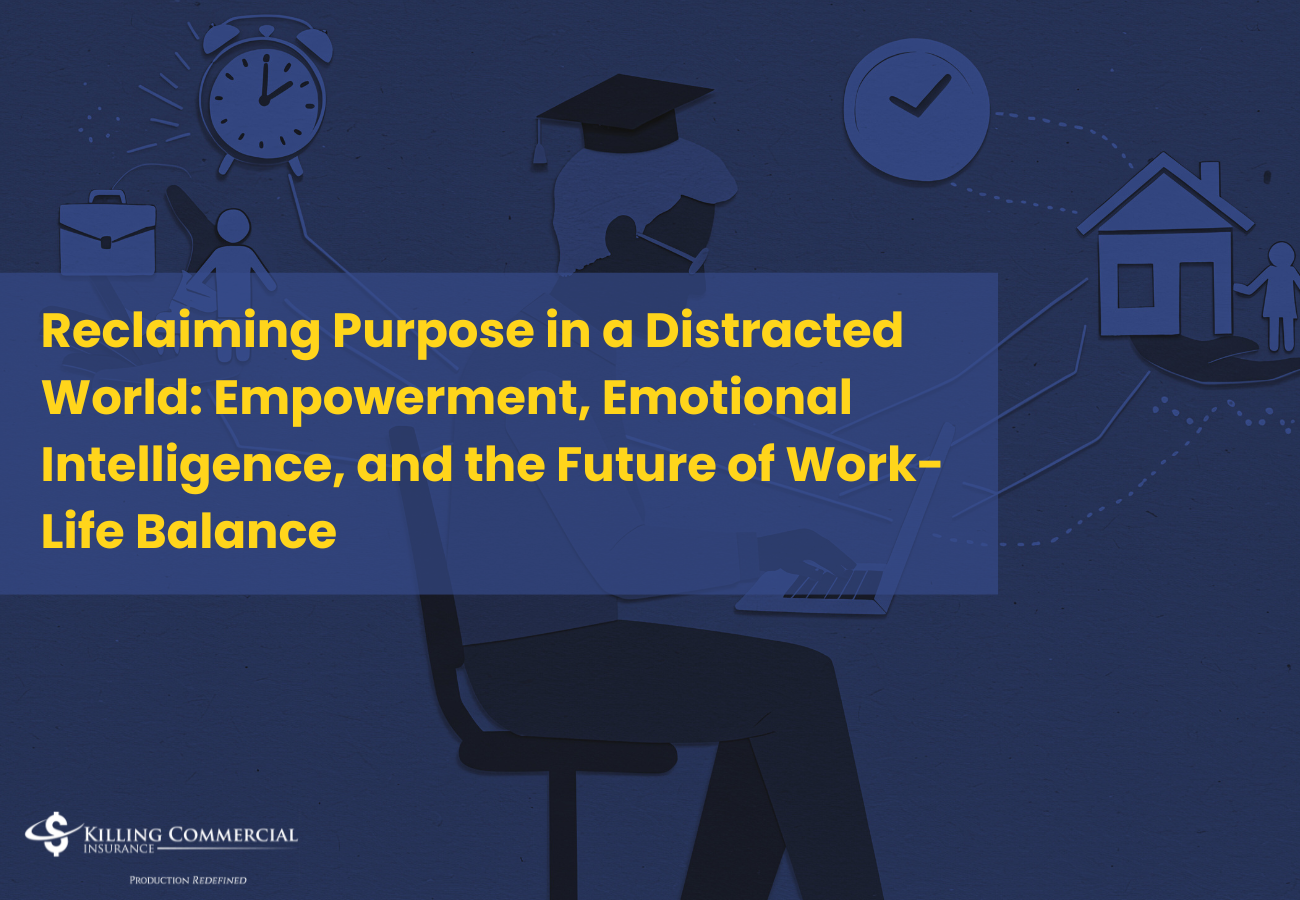

Reclaiming Purpose in a Distracted World: Empowerment, Emotional Intelligence, and the Future of Work-Life Balance

Work

Achieving elite status in your profession can often come with a hidden price. Tania Khazaal, known to many as Tanya the Herbalist, knows this truth firsthand. After climbing the ranks in the insurance industry and landing in the top 1% of sales professionals, she found herself at a crossroads. Despite the accolades, international travel perks, and consistent recognition, she was suffering from a quiet crisis: burnout.

Burnout has become a systemic issue across industries, especially in high-pressure sales environments like insurance. The relentless pursuit of production goals, coupled with the lack of emphasis on mental well-being, results in physical and emotional exhaustion. As a consequence, producers may achieve success on paper but feel unfulfilled in life. Moreover, without a focus on self-care and work-life balance, this cycle perpetuates, leaving individuals struggling to find true satisfaction despite outward accomplishments.

Rather than continuing down a destructive path, Tania made a bold pivot. Her burnout became the catalyst for a transformative journey to rediscover purpose in the work, balance, and ultimately, a new mission: helping others do the same.

From External Validation to Internal Power

 So many of us are conditioned from childhood to seek praise and validation from others. Gold stars, honor rolls, and performance reviews teach us to measure our worth externally. But as adults, especially in high-stakes careers, this mindset can become a prison.

Tania pointed out that women, in particular, often lack confidence in their workplace contributions. They hesitate to speak up in meetings, suppress their opinions, and fear judgment. This hesitation doesn’t stem from a lack of talent or insight—far from it. Instead, it results from years of social conditioning that rewards silence and punishes boldness. Consequently, this ingrained behavior continues to impact their willingness to assert themselves, despite their capabilities.

The insurance industry, like many others, works heavily male-dominated at the executive level. While progress has been made, many women still find themselves on the service side rather than in leadership or sales roles. Tania believes this is not due to favoritism but rather a reflection of internalized fear. Learning to break free from the chains of external validation is the first step toward leadership, confidence, and impact.

Redefining Female Empowerment in the Insurance Industry

There is a quiet revolution happening in the insurance world. More and more women are stepping into work, launching agencies, and dominating sales. Yet challenges remain.

Tania emphasized that empowerment isn’t just about placing more women in the C-suite. It’s about cultivating environments where women feel safe to be heard, where confidence is nurtured, and where support systems are available. Mentorship programs, women-led communities, and inclusive leadership training can serve as catalysts for this shift.

Men, too, have a critical role to play in their work. As David Carothers shared, many women have the emotional intelligence and patience that make them exceptional producers. The key is creating intentional opportunities for collaboration, rather than maintaining outdated gender dynamics. When both genders work in alignment, the entire industry benefits.

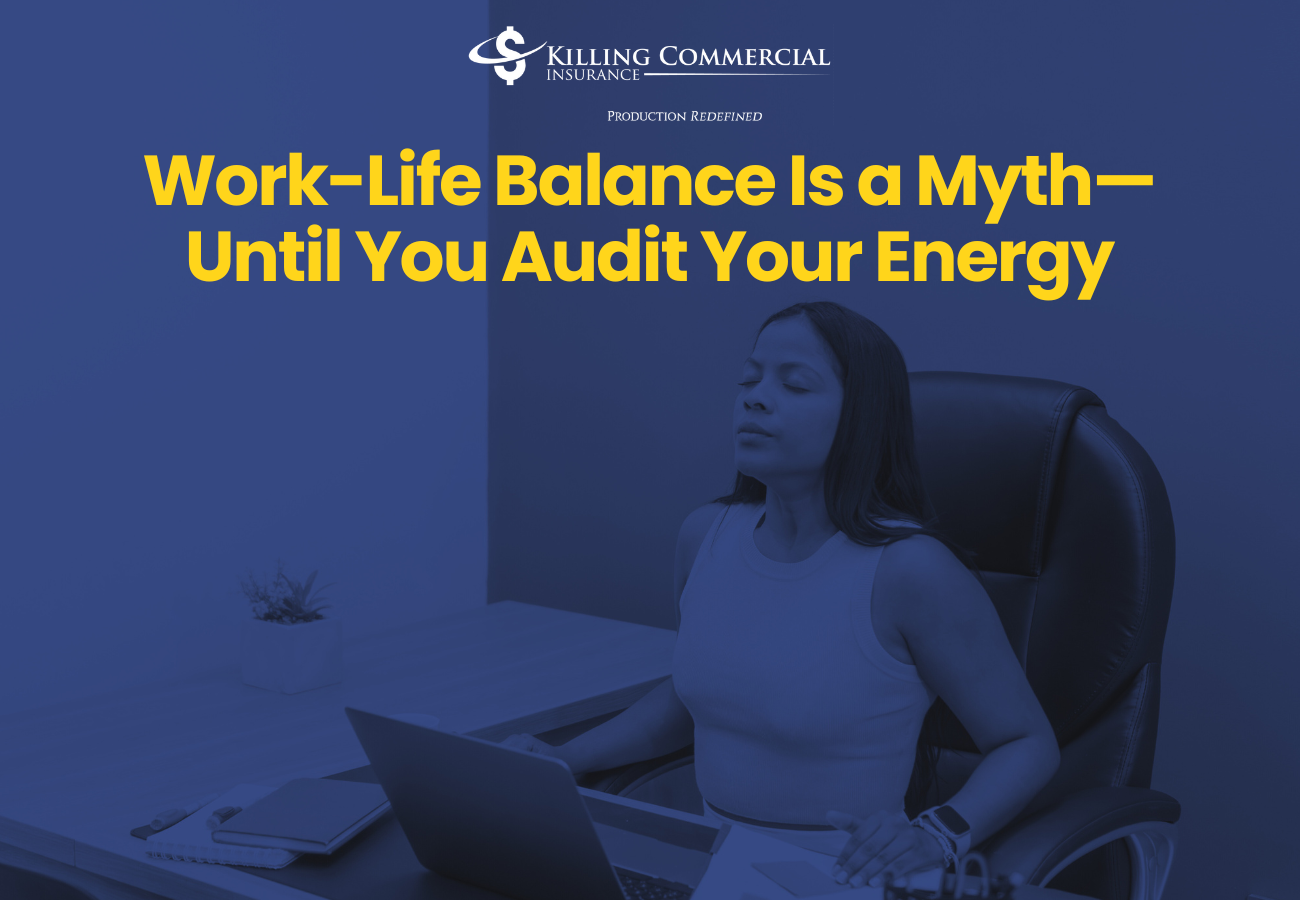
Work-Life Balance Is a Myth—Until You Audit Your Energy

Work

One of Tania’s core teachings is that time scarcity is often a myth. The real issue? Energy mismanagement.

Most professionals claim they don’t have time for health, hobbies, or family, but a quick look at weekly screen time tells a different story. Instead of a traditional time audit, Tania recommends an energy audit. Where is your energy going each day of the work? Are you drained from meetings that should be emails? Are you expending emotional bandwidth on social media instead of your family?

Even 18 minutes a day devoted to your health, personal growth, or purpose can lead to transformative work results. Aligning your identity across your professional and personal life isn’t a luxury; it’s essential for long-term fulfillment. You don’t have to choose between being a present parent and a driven entrepreneur. You can be both—if your priorities match your actions.

Herbalism, Holistic Living, and True Independence

After her mother’s health scare due to pharmaceutical overuse, Tania began studying herbalism. What started as a quest for answers quickly became a calling. Through plant-based medicine, she found a roadmap to true wellness that the modern medical system often overlooks.

Herbalism became more than just a wellness tool—it became a symbol of independence. Tania now teaches that if your health, income, or happiness depends on a system that can be taken away at any time, you are not truly free. Herbalism, entrepreneurship, and faith-based living are tools to reclaim that freedom.

This ties directly back to the challenges many professionals face. Too often, producers operate within fragile worksystems: a carrier that could pull a contract, a job that can be outsourced, or a body that’s neglected. Embracing holistic wellness isn’t just about drinking tea or using essential oils. It’s about sovereignty.

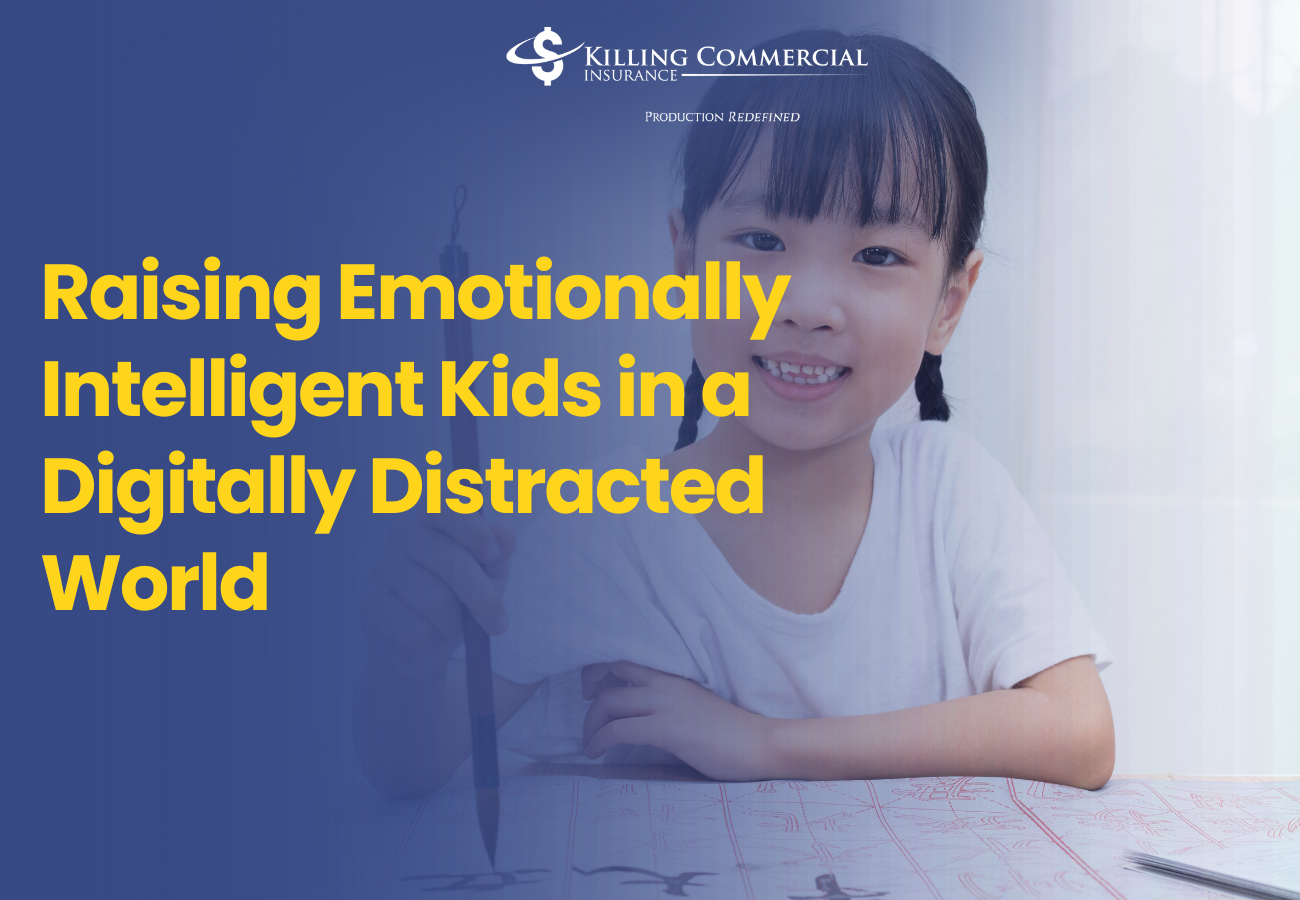
Raising Emotionally Intelligent Kids in a Digitally Distracted World

The conversation took a powerful turn toward parenting—an area many professionals struggle with. Tablets have become pacifiers, and screens have replaced human interaction. Tania shared that emotional resilience begins at home and must be modeled by adults.

Work

When children are taught to suppress their feelings or solve problems through avoidance, they grow into adults who struggle with communication and boundaries. Conversely, when they are taught why rules exist, and how to process disappointment or conflict, they develop the kind of emotional intelligence that breeds leadership.

Dinner tables used to be places of value-building; today, they’re often neglected. As Tania pointed out, 75% of families no longer eat meals together. It’s in those lost moments that character and values used to be shaped. Reclaiming that time is an investment in future leaders.

Cultural Conditioning, Cut-Off Culture, and the Breakdown of Family Units

A significant part of Tania’s message focused on what she called the “silent epidemic”: estrangement. It’s become commonplace for children to cut off parents, siblings to sever ties, and spouses to divorce at the first sign of conflict.

This is rooted in a shift in therapeutic models and pop psychology, particularly from the 1970s onward. The rise of person-centered therapy, popularized by Carl Rogers and mainstreamed by media figures like Oprah and Dr. Phil, emphasized personal truth over shared responsibility. While empowering in some ways, this has contributed to a culture that avoids discomfort rather than working through it.

Love has become disposable. Instead of having hard conversations, people ghost. Instead of understanding different viewpoints, people cancel. Tania argues that this isn’t strength—it’s fragility in disguise. Emotional intelligence is forged through discomfort, not avoidance.

Final Thoughts: Building a Life Aligned with Purpose, Not Perception

At the heart of this conversation is a challenge: stop living for optics and start living for truth.

Tania Khazaal is a woman who walked away from high-level corporate success to live in full alignment with her values. She didn’t abandon ambition. She redefined it.

Producers and professionals across industries can learn from her journey. If you feel trapped by quotas, schedules, or public expectations, it might be time to conduct your own energy audit. Are you operating from internal purpose or external performance?

Embracing a purpose-driven, emotionally intelligent life is not just about business. It’s about building something sustainable—at work, at home, and within yourself.

Producers

Parametric Insurance Explained: How Middle Market Producers Can Hedge Economic Loss, Protect Revenue, and Differentiate at the Point of Sale

The commercial insurance industry is in the middle of a quiet evolution.

While most conversations still revolve around premiums, deductibles, limits, and carrier appetite, a different category of risk transfer has been gaining traction beneath the surface—parametric insurance. It is not new, but it is finally becoming accessible, relevant, and actionable for middle market producers who are willing to think differently about risk.

In a recent episode of the Power Producers Podcast, I sat down with Brian Thompson from Descartes Underwriting to unpack what parametric insurance actually is, what it is not, and why producers who ignore it may be leaving their clients—and themselves—exposed.

This article breaks that conversation down into practical, producer-friendly language and shows how parametric insurance fits into modern middle market risk management.

Read More »

From Bottleneck to Builder: Why Systems, Culture, and Accountability Define Real Business Growth

For most entrepreneurs, the decision to start a business is rooted in the promise of freedom. Freedom from a boss, freedom to control income, and freedom to build something meaningful. Yet for many business owners, particularly in service-based industries and middle-market companies, that freedom slowly erodes. What begins as ownership eventually turns into obligation, where the business demands constant attention and the owner becomes the single point of failure.

Read More »
Cyber

Why Standalone Cyber Insurance Beats BOP Extensions Every Time: Protecting Clients from Modern Threats

The insurance industry is full of shortcuts. Some producers look for ways to streamline the quoting process, others avoid hard conversations with clients, and many rely on endorsements or extensions because they are “easier” than diving into the details. Nowhere is this more dangerous than in the world of cyber insurance.
Too many agents assume that a cyber endorsement on a BOP or commercial package policy is “good enough.” It isn’t. In fact, treating a BOP cyber extension as a replacement for a standalone cyber policy leaves clients dangerously exposed, puts producers at risk of losing accounts, and opens the door to costly errors and omissions (E&O) claims.
Cyber threats evolve faster than any other area of risk, and endorsements simply can’t keep up. If producers want to protect their clients and themselves, it’s time to understand why standalone cyber insurance is non-negotiable.

Read More »

Cyber Insurance Risk Management: Why MFA, MDR, and BYOD Policies Can’t Wait for a Hard Market

The cyber insurance market has softened in recent years. Requirements that were once rigid — like mandatory multi-factor authentication (MFA) or endpoint detection and response (EDR) tools — have been relaxed by many carriers. But here’s the danger: just because carriers aren’t demanding these safeguards today doesn’t mean businesses can afford to ignore them.

Read More »

Responses

Test Message

Killing Commercial Login