
Resiliency Over Reaction: Educating Insurance Buyers in a Hardening Market

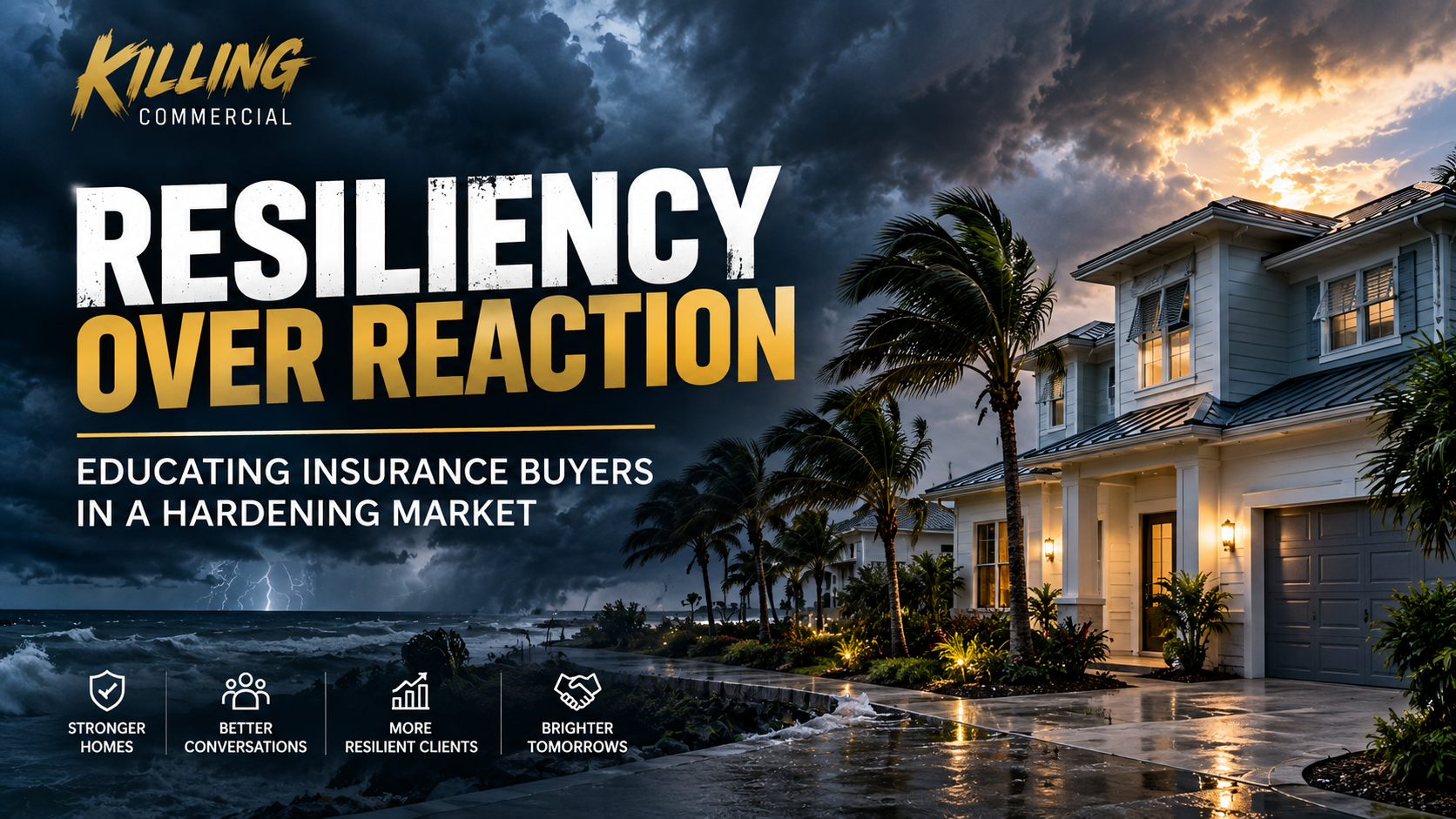
Resiliency Over Reaction: Educating Insurance Buyers in a Hardening Market

Insurance agents are facing an unprecedented climate—literally and figuratively. Rates are climbing, carriers are exiting markets, and clients are more frustrated than ever. In states like Florida, where the insurance industry has been

This post explores why resiliency, education, and transparency must become the foundation of how we advise our clients. Ultimately, whether you’re working in personal or commercial lines, the hardening market isn’t going away any time soon. The question is: are you reacting to complaints, or are you proactively leading your clients through the storm?

The Insurance Climate Is Changing—Are We Preparing Clients for What’s Next?

If you’ve sold a property policy in Florida in the past two years, you’ve seen firsthand the pain points: reduced carrier appetite, stricter underwriting, and ballooning premiums. But these aren’t just regional issues anymore—they’re early warnings of a nationwide shift in risk appetite and loss exposure.

From wildfires in California to rising flood zones on the Gulf Coast, resiliency is no longer a buzzword—it’s a survival strategy. Agents need to help clients understand that premium hikes and coverage changes aren’t arbitrary. They’re a reflection of carrier capacity, reinsurance strain, and the very real costs of climate risk.

The takeaway: clients must be taught to think beyond the policy and start planning for long-term risk.

ACV vs. Replacement Cost: It’s Time to Educate, Not Apologize

ACV vs. Replacement Cost: It’s Time to Educate, Not Apologize

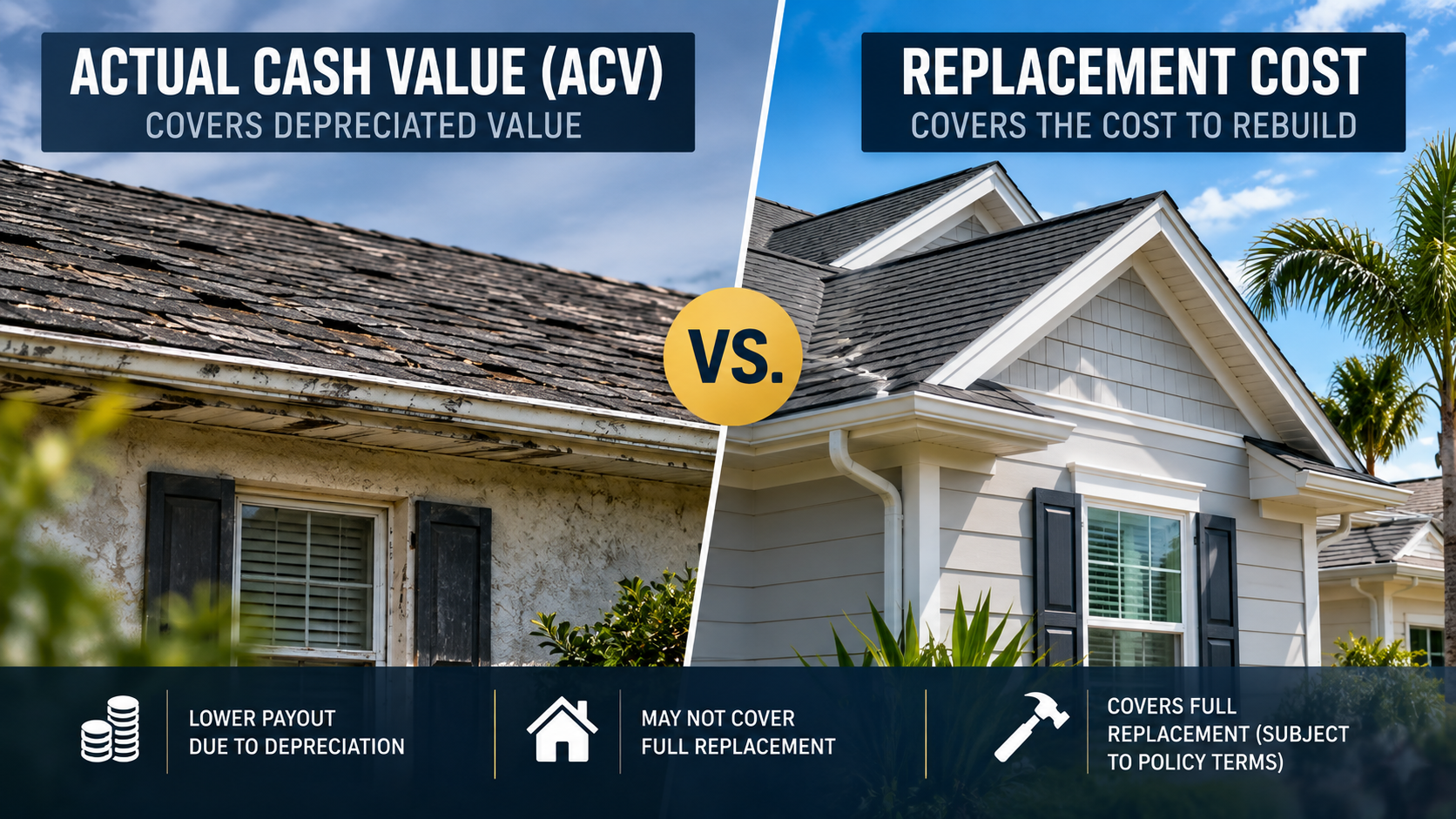
Let’s get one thing clear: Actual Cash Value (ACV) doesn’t mean your client gets a check that covers the entire cost of a new roof. As Alexander de Pazos bluntly put it on the podcast, “ACV means you’re not going to get enough.”

The rise of ACV roof endorsements is a reality many agents are wrestling with. But instead of treating it like a problem, we should treat it as a teachable moment. Why? Because it forces clients to reckon with the real condition of their property and the limits of what insurance is supposed to do.

Think of it like car insurance. If your 30-year-old Honda Civic gets totaled, you don’t expect a new one. So why expect a new roof for a 30-year-old home?

Agents must educate clients early—during quote discussions, policy reviews, and annual check-ins—about what ACV really covers and when it applies. Use claims scenarios. Use metaphors. But above all, tell the truth.

Your Home Is Only as Strong as Its Weakest Link—Mitigation and Maintenance Matter

You can’t control the weather, but you can control how your property responds to it. And that’s where property mitigation becomes a game-changer.

Clients often underestimate the importance of regular roof replacements, upgraded windows, proper tie-downs, and permit documentation. But these details matter—especially in underwriting.

Here’s the reality: carriers are no longer willing to underwrite guesswork. Today, they’re requiring documentation, receipts, and proof of materials. Elastomeric paint isn’t a substitute for a new roof. And a 40-year-old tile system doesn’t magically qualify for replacement cost coverage.

The agents should counsel clients to invest in their home’s resilience before the storm, not after the claim. That means talking about impact windows, ordinance and law coverage, and even water shutoff technology. Proactive risk management isn’t just for commercial clients anymore—it’s the new personal lines standard.

Stop Selling Insurance—Start Selling Risk Conversations

Too many agents still lead with quotes. But in this environment, price-first selling is a fast track to short-term clients and long-term frustration.

The better approach? Lead with risk. Ask questions like:

  • When was the last time your roof was replaced?
  • How would you fund a $30,000 out-of-pocket repair if your policy didn’t respond?
  • What’s your plan if a neighbor’s tree falls on your home?

These aren’t scare tactics—they’re reality checks.

Educated clients stick around. They trust you. And most importantly, they understand why they’re paying what they’re paying.

Monoline Umbrellas and Solar Liability: The Underrated Prospecting Goldmine

Monoline Umbrellas and Solar Liability: The Underrated Prospecting Goldmine

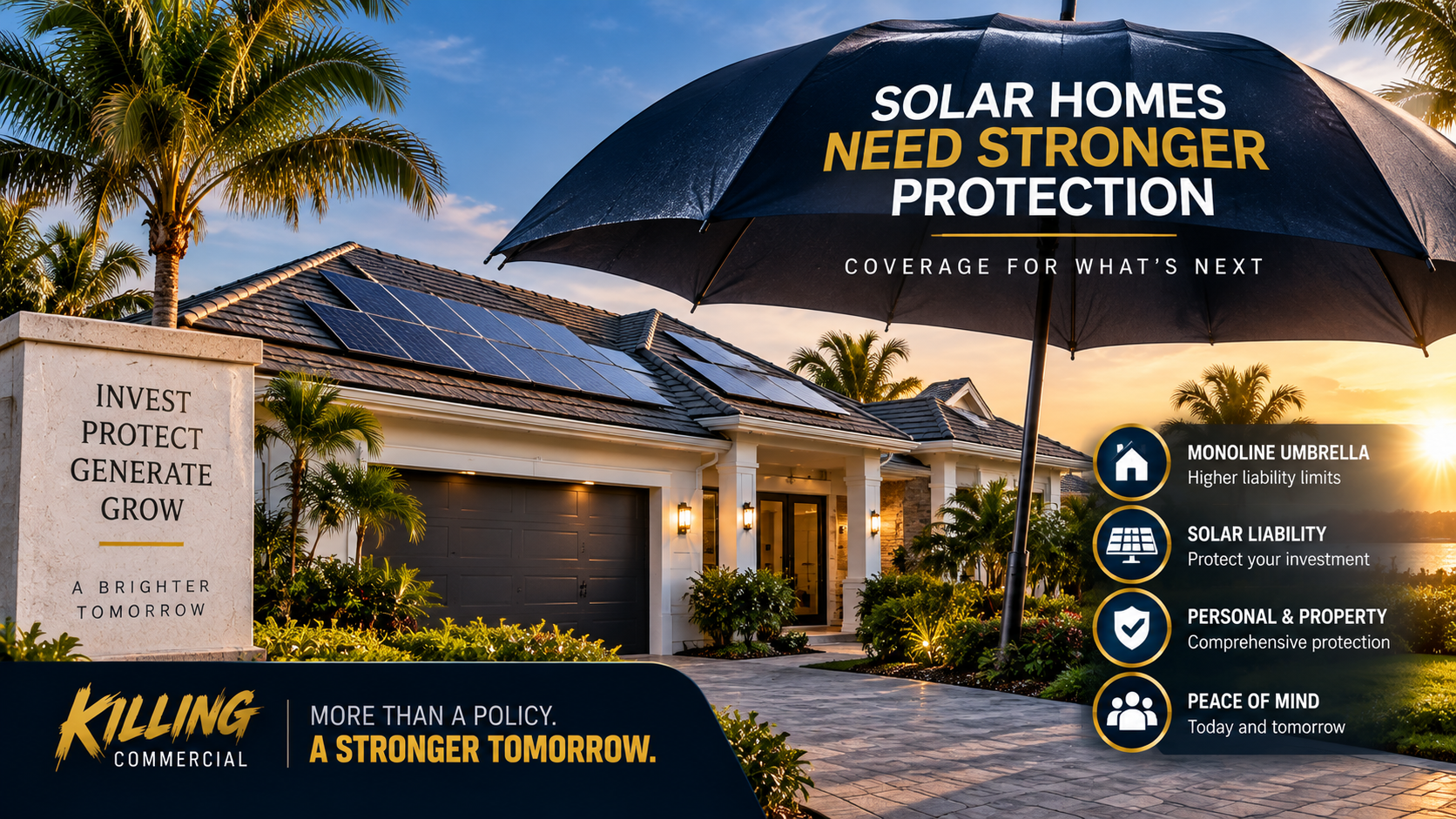
You want a niche with high lifetime value, low competition, and built-in urgency? Look no further than monoline umbrella policies tied to solar panel installations.

Here’s the play:

  • When homeowners install solar and plan to sell power back to the grid, they are often required to carry $1M+ in liability coverage.
  • Their current agent may not have explained that or may not offer the right solution.
  • If your agency targets this segment with SEO and referral partnerships, you’re positioned to write not just the umbrella, but the home, auto, and more.

Even if you only write the umbrella, you’ve still landed a high-net-worth client. Over time, you can build trust and win more of the account.

Technology Should Enhance the Relationship, Not Replace It

Automation is a beautiful thing—when it’s used to eliminate friction, not connection.

Use tech to:

  • Collect data automatically
  • Send reminders and follow-ups
  • Deliver proposals and documents efficiently

But never automate your way out of a conversation. The best agencies use automation to clear the way for meaningful advising, not to avoid it. Every shortcut in service can cost you loyalty in the long run.

As de Pazos said, “Automate the Jesus out of the stuff that doesn’t matter—but double down on the relationship part.”

The Long Game: Why the Best Clients Are the Ones Who Stick

If you want to build a profitable, scalable agency, you need to focus less on velocity and more on value per client.

Clients who understand risk don’t leave for a $100 premium savings. They don’t push back at renewal when you’ve explained every line item. And they refer more often because they trust you.

The key to building these relationships? Time. Listen. Ask questions. Provide context. Don’t just explain the policy—teach the consequences of going without.

Think of it as an upfront investment with recurring dividends.

The Real Meaning of Resiliency in Insurance

Resiliency isn’t just impact windows and reinforced roofs. Resiliency is a mindset.

It’s about teaching clients to prepare, not panic. Helping them understand that insurance is a shared resource reinforces why we all benefit when we collectively invest in safety and risk reduction.

If one house on your block is mitigated and ten aren’t, the entire zip code remains high risk. That’s why insurance rates are slower to fall even when clients do the right thing.

The solution? Education, storytelling, and consistency. The more people understand risk, the more they’ll invest in managing it. And that, in turn, draws more capital, more carriers, and more competition into the market.

Conclusion: Build Smarter Clients, Build a Better Industry

The days of cheap insurance are gone. The days of easy wins are over.

But there’s opportunity here—for the agents who are willing to step up.

Stop trying to be the cheapest. Be the most educational. The most reliable. The most honest.

Lead with risk. Invest in the long game. Use automation to support, not substitute. And never forget: resiliency starts with the agent.

Let’s build smarter clients—and a better industry along the way.

Resiliency Over Reaction: Educating Insurance Buyers in a Hardening Market

Resiliency Over Reaction: Educating Insurance Buyers in a Hardening Market

Insurance agents are facing an unprecedented climate—literally and figuratively. Rates are climbing, carriers are exiting markets, and clients are more frustrated than ever. In states like Florida, where the insurance industry has been grappling with catastrophe exposure and claim volatility for decades, these challenges are nothing new. But for the rest of the country, the learning curve is steep—and accelerating.

Read More »

Add Your Heading Text Here

Responses

Test Message

Killing Commercial Login