Killing Commercial Login
The auto warranty market has long been the punchline of jokes. From endless telemarketing calls to social media memes, consumers associate warranties with frustration, scams, and high-pressure sales tactics. But beneath the negative perception lies a massive opportunity for insurance producers: filling a critical coverage gap while building new revenue streams and deeper client relationships.
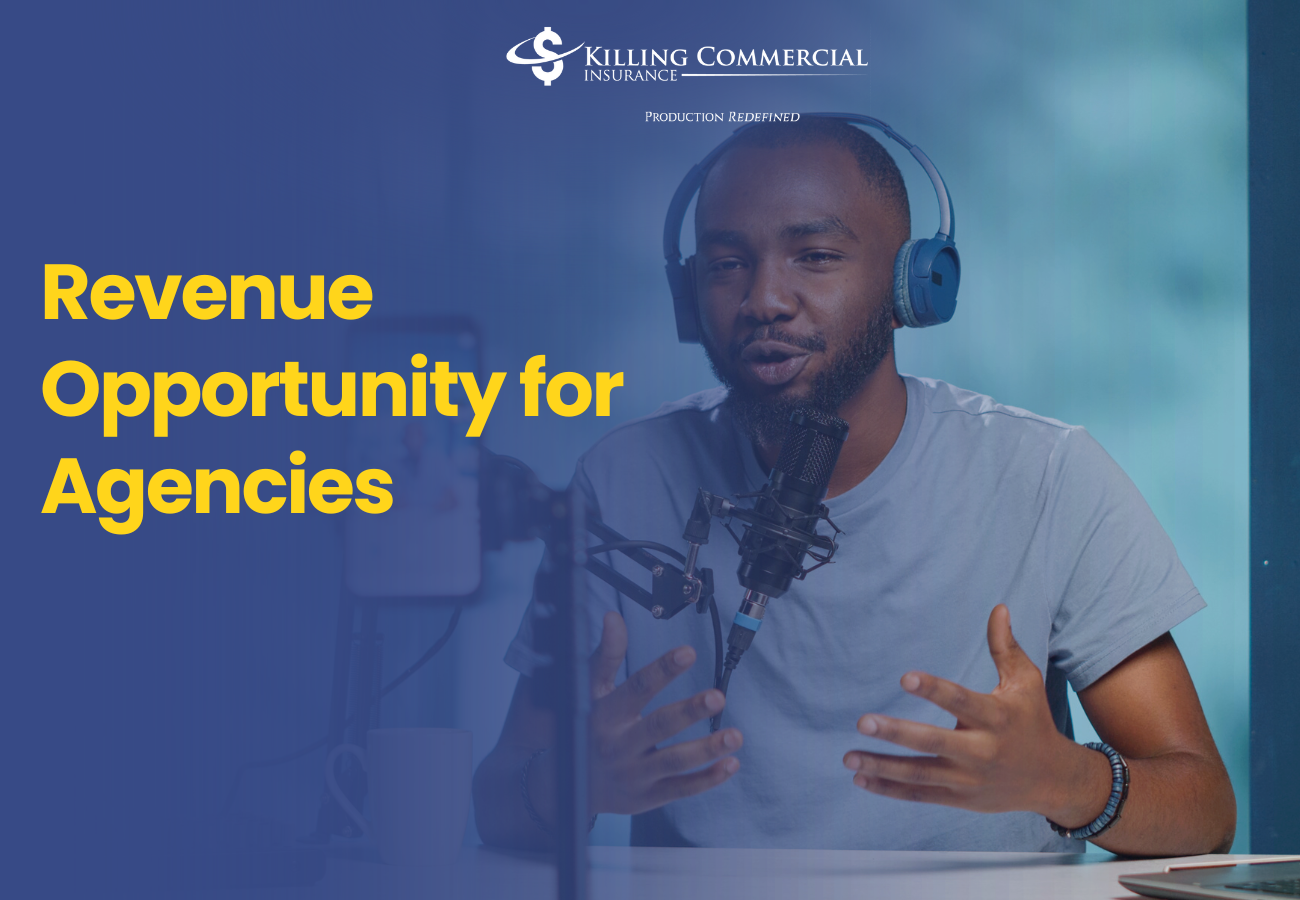
In a recent episode of the Power Producers Podcast, I sat down with Clinton Houck, industry veteran and Head of Insurance Distribution at Fair Warranty, to discuss how producers can leverage warranties as part of their consultative process. What emerged from the conversation is clear: warranties, when done right, aren’t just an add-on—they’re a way to differentiate, retain, and grow.
If you’ve ever rolled your eyes at a robocall offering an “extended warranty,” you’re not alone. The current market has a deservedly poor reputation:
This environment has created distrust—but also opportunity. Consumers are keeping their cars longer than ever before (12+ years on average), and repair costs are skyrocketing. The market is hungry for a solution that feels different: one built on trust and transparency rather than gimmicks.
Clinton’s path mirrors the evolution of the industry itself. Starting as a commercial fire underwriter and field rep for State Farm, he eventually launched his own agency before recognizing the shift to digital distribution.
By the mid-2010s, Clinton was leading independent digital agencies and helping build early-stage insurtechs. At the time, many in the industry didn’t even know what an API was, let alone how to use one. Fast-forward to today, and APIs, AI, and automation are creating efficiency gains of 20–30% inside agencies.
That efficiency raises an important question: What do producers do with the extra capacity? For Clinton, the answer was clear—help fill a coverage gap that auto insurance leaves behind.
Insurance producers know this truth: auto insurance doesn’t cover mechanical breakdowns. That gap leaves clients exposed to costly surprises.
Consider the reality:
This creates a huge exposure for personal and commercial clients alike. By offering mechanical breakdown protection, producers can protect households and businesses from financial shocks that can derail budgets and operations.
Unlike dealer markups and white-labeled resellers, Fair Warranty is built on agency partnerships. The model is simple but powerful:
In short, Fair brings the same professionalism, structure, and reliability that clients already expect from their P&C coverage.
Clinton outlined three primary sales scenarios where warranties fit naturally into conversations:
When clients call ahead to add a new car to their policy, it’s the perfect time to ask:
“Do you also want protection against mechanical breakdowns, so you don’t have to buy a warranty from the dealership?”
During an auto insurance quote, simply frame it like an endorsement:
This creates a seamless “yes/no” decision without a long sales pitch.
Warranties also work well in drip campaigns, renewal reviews, and CRM workflows. With Fair’s simplified quoting (just year, make, model, and mileage), you can easily embed links or bulk quote accounts to target opportunities across your book.
Work trucks, vans, and small fleets face even greater risks. A single breakdown can:
For contractors, delivery services, or trades, a breakdown isn’t just inconvenient—it’s business-threatening.
Naturally, clients will ask: “Why is this warranty cheaper?”
The answer is simple: fewer middlemen. By working directly with agencies, Fair removes layers of markup while still paying fair commissions.
The key is framing the conversation as financial protection rather than upselling. Clinton compared it to Aflac’s model—when clients hear positive claim experiences from peers, adoption skyrockets.
Producers don’t need high-pressure tactics. Instead, outline the exposure, present the solution, and let clients self-select.
The financial upside is clear:
For personal lines producers, that’s often more revenue per policy than core P&C. For commercial lines, it can help reduce client churn by covering exposures that otherwise create frustration.
David Carothers put it best during the podcast:
“Advisors have these conversations. Salespeople don’t.”
Selling warranties isn’t about padding commissions. It’s about acting like a true risk advisor, uncovering exposures, and providing solutions.
For personal lines, it’s about protecting households. For commercial lines, it’s about protecting cash flow. In both cases, it positions you as a partner who looks beyond premiums.
Start by identifying clients most at risk—rideshare drivers, contractors, small fleet operators, or anyone keeping vehicles past the manufacturer’s warranty. Then build warranties into your cross-selling strategy and annual reviews.
The bottom line: warranties aren’t a gimmick. They’re a solution to a real problem. And the producers who adopt them now will be the ones leading the conversation tomorrow.

blog clinton houck

You could feel it—every producer, coach, and guest mentor knew this was the official start of something special. The conversation wasn’t just about competition. It was about purpose, legacy, and growth.
Hosted by David Carothers, creator of The Protege and founder of Killing Commercial, this kickoff call set the tone for what Season 3 will represent: a proving ground for producers who are ready to work harder, think deeper, and build something that lasts.

Influence is one of the most powerful tools we have in business, leadership, and personal life. Used well, it inspires people, builds trust, and creates ethical results. Used poorly, it can slide into manipulation and self-interest.

Reinvention is one of the most powerful themes in the insurance industry. Some of the best commercial producers in the country did not grow up wanting to sell insurance. They did not study risk management in college. They did not come from an agency family. They found this industry after they tried something else. They found it after life pushed them toward a career where performance, autonomy, and mindset determine the outcome.

The most successful producers in the middle market did not get there because they quoted faster, smiled bigger, or knew how to talk longer. They got there because they learned how to differentiate themselves so clearly that prospects had no choice but to see them as trusted advisors. They learned to operate like businesspeople first and insurance technicians second. They learned how to tie operational mechanics to insurance outcomes. They learned how to control their time, their pipeline, and their future.

In commercial insurance, the most dangerous threats to your book of business aren’t always visible on the loss runs. One of the most overlooked vulnerabilities for middle market producers is ignoring the personal lines needs of their business owner and executive clients.
There was a problem reporting this post.
Please confirm you want to block this member.
You will no longer be able to:
Please note: This action will also remove this member from your connections and send a report to the site admin. Please allow a few minutes for this process to complete.
Responses