
Captive Insurance Strategy: Thinking Beyond the Renewal with Warren Cleveland
Winning an account should start a longer conversation about the client’s business.
Too often, however, the relationship settles into a familiar routine. The producer places coverage, handles service needs, and returns for the next renewal.
That process can keep an account moving without giving it a clear direction.
A thoughtful captive insurance strategy asks a different question: What should this client’s risk financing program look like several years from now, and what needs to happen to get there?
In this episode of the Power Producers Podcast, David Carothers welcomed Warren Cleveland of Captive Coalition to discuss that longer view.
Their conversation explored early education, client readiness, submission quality, and the work that continues after a producer wins an account.
For middle market producers and agency owners, the message was practical.
Introduce the possibilities early, develop the knowledge to explain them, and build a process that helps suitable clients prepare.
Start with a Long-Term Client Strategy
David challenged producers to think beyond the opportunity immediately in front of them.
An inbound lead or referral creates pressure to place coverage and close the deal. However, that immediate objective can distract from the client’s longer-term needs.
His approach starts by considering where the relationship could lead.
For an appropriate business, that may include preparing for participation in a captive. David described a planning horizon that could span two or three years, and possibly five.
That timeline changes the producer’s role.
Instead of treating each renewal as a separate transaction, the advisor can connect today’s work to a future objective. Risk controls, loss performance, and client education become parts of an ongoing plan.
Warren added an essential qualification: the conversation needs to concern the right kind of captive.
He did not present his organization as the best answer for every situation. Instead, he encouraged agents to understand the options and decide what makes sense.
That distinction belongs at the center of the discussion.
A captive insurance strategy should help the client evaluate a potential direction. Suitability still needs to be established.
Introduce the Captive Conversation Before Renewal
Warren described hearing from agents whose long-standing clients had already started captive discussions with another broker.
In those situations, the incumbent agent was often surprised.
The relationship had lasted for years. Yet someone else introduced an option the client had never discussed with their existing advisor.
David argued that producers should address this possibility much earlier.
An initial meeting can include a conversation about how the agency approaches total cost of risk and long-term planning. From there, the producer can introduce captive participation as something worth exploring when appropriate.
That introduction does not require a full technical presentation.
It can begin with a question about the owner’s experience:
Has anyone explained how a captive might fit into the company’s future insurance strategy?
The answer creates a useful starting point. Perhaps the owner has never heard of the concept. Alternatively, another advisor may already have raised it.
Either way, the producer learns something that matters.
Early education gives the client time to understand an option before a renewal deadline creates pressure to decide.
Connect the Discussion to the Owner’s Business
David framed the captive conversation around business outcomes.
Owners care about the cash available to fund operations, support employees, and invest in their companies. Insurance decisions belong within that broader financial picture.
As a result, a conversation focused only on premium can miss the owner’s larger concerns.
Warren shared the brief introduction he used as an agent:
“I show business owners how to own their own insurance company.”
The statement was designed to create curiosity and open a discussion.
Its value comes from the explanation that follows. A producer still needs to understand the business, explain the relevant structure, and determine whether further evaluation makes sense.
David also emphasized asking for the owner’s feedback.
A prepared introduction should create room for discovery. What has the owner heard? Which concerns are driving interest? How much involvement would the business be willing to take on?
Those answers help the advisor move from a memorable opening to a meaningful conversation.
The goal is to connect an unfamiliar insurance option to concerns the owner already understands.
Treat the First Placement as the Beginning
One of David’s clearest examples involved the sales pipeline.
In his agency’s CRM, a successful opportunity moves to “closed won.” That status records a completed sale, but it should also trigger the next stage of the relationship.
What happens over the following 12 or 24 months?
If the producer introduced a longer-term strategy during the sales process, the client has a reason to expect continued progress.
Without that follow-through, the initial conversation becomes another promise that disappears after placement.
For agency leaders, this creates a practical process question.
Does the team have a plan for developing the account after onboarding, or does the workflow mainly lead toward the next renewal?
A useful application of David’s point is to schedule future strategy conversations when the relationship begins. Those meetings can revisit the client’s goals, discuss changes, and identify what needs attention.
The specific steps will vary by account.
The underlying principle remains consistent: winning the business creates an opportunity to keep improving the relationship and the program.
Build Captive Readiness Through Risk Management
Warren connected captive participation to the work of controlling losses.
He explained that the opportunity becomes more meaningful when an advisor helps the business improve its actual performance.
During the discussion, he used an example of reducing recurring losses to illustrate the potential financial significance of that work. The figures served as an illustration, rather than a promised result for other businesses.
The broader lesson concerns what the advisor contributes.
Introducing a financing structure is one part of the relationship. Helping the client address the losses that affect that structure requires continuing effort.
For producers, this means asking what the business can improve while it evaluates its options.
Which recurring problems deserve attention? What controls need work? How will the owner and advisor review progress?
These questions connect the future strategy to current operations.
They also make the relationship more substantive. The producer has something to discuss beyond pricing and renewal timing.
A long-term plan needs work the client can see, understand, and act on.
Learn Enough to Lead the Conversation
Warren described a frustration from his earlier experience as an agent: he wanted to understand the captive presentation and deliver it himself.
However, he did not always receive the training or resources to do that confidently.
That experience shaped the support he described providing through Captive Coalition.
During the episode, Warren discussed educational materials, a documented sales process, and opportunities for agents to learn through presentations and calls.
In one example, an agency owner wanted to hear Warren present several more times. Warren suggested recording a presentation so the agent could review it and learn from it.
The objective was to help the producer remain an informed part of the relationship.
For agents, that creates a clear responsibility.
Read the materials. Understand the sequence. Ask questions about anything that remains unclear.
Working with a specialist can support the conversation, but the producer still needs to invest in learning.
Preparation gives you a stronger foundation for introducing an option and recognizing when specialist input is needed.
Make the Submission Process Part of Your Captive Insurance Strategy
Interest alone does not produce a useful evaluation.
David asked Warren what distinguishes the agents who bring well-prepared opportunities from those who struggle through the process.
Warren’s answer centered on understanding the requirements and delivering the information promptly.
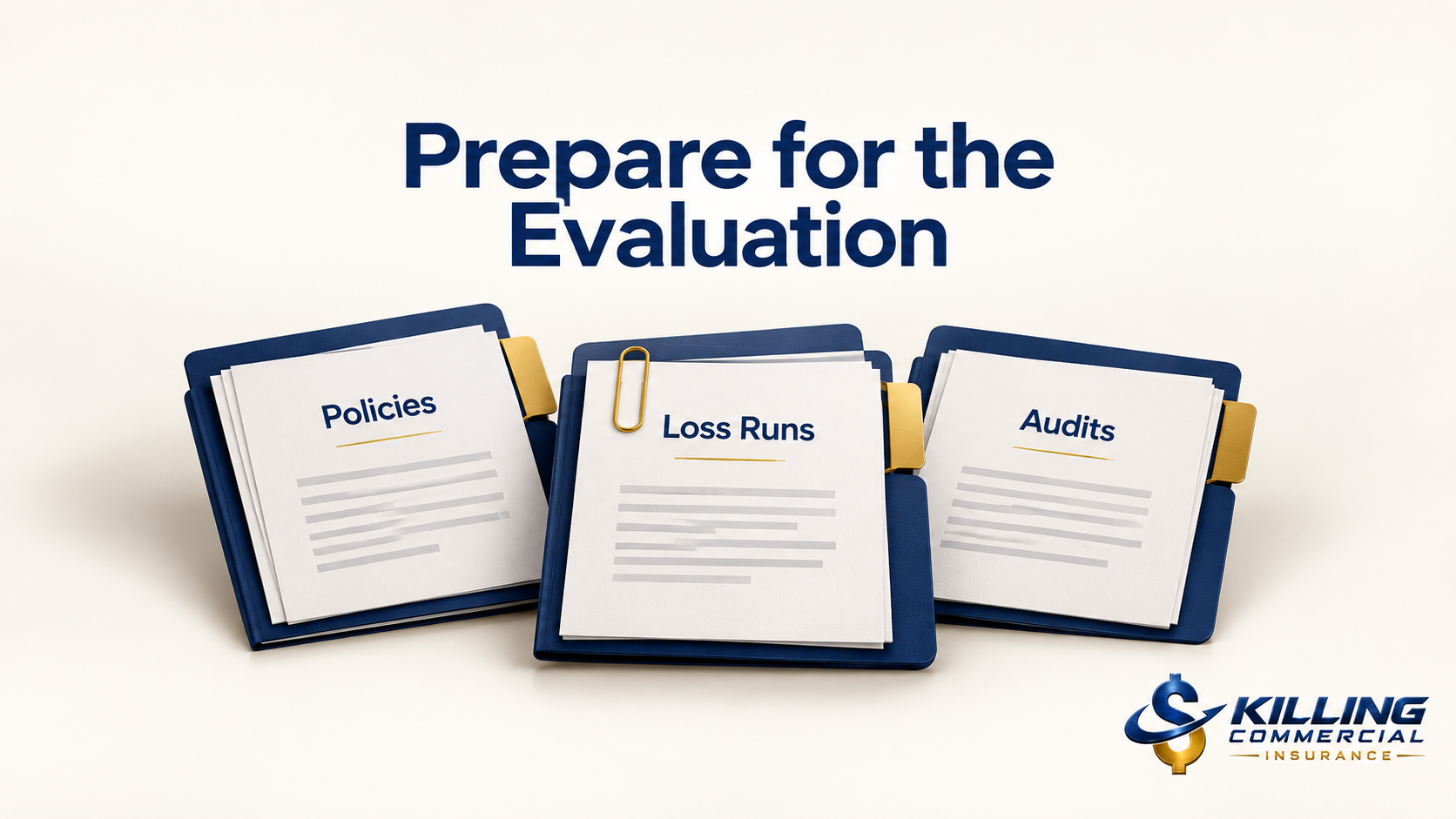
For the process he described, his team requests:
Five years of policies.
Five years of loss runs.
Five years of audits, where applicable.
He also noted that audit information varies by line of business.
These were requirements for the process discussed in the episode. Producers should confirm what the relevant program needs for a particular account.
Warren emphasized involving the account manager when that person maintains the necessary records.
That connection can help organize the submission and reduce unnecessary back-and-forth.
His team then uses the information to analyze the account and explain how it would have performed under the approach being evaluated.
The practical lesson is to learn the requirements before promising an evaluation timeline.
A clear request and an organized handoff give everyone a better starting point.
Confirm the Prospect’s Willingness to Participate
Preparing an existing client can be easier because the agency already has access to much of the information.
A prospect presents a different challenge.
Warren encouraged agents to explain the data requirements upfront and ask whether the owner is willing to obtain the records.
That conversation matters because a prospect may like the idea without understanding the effort involved.
The producer should make the next step concrete.
What information is needed? Who has it? Is the owner willing to help secure it?
Warren described an agent making that expectation clear in a message to a business owner. The point was to establish whether the evaluation could move forward.
For producers, this is a useful qualification step.
Enthusiasm is helpful, but participation moves the process ahead.
A candid conversation about responsibilities also respects the prospect’s time. The owner can decide whether to proceed with a clearer understanding of what the work requires.
Discuss the Commitment Alongside the Opportunity
Warren emphasized that a different approach to insurance requires an investment of time, energy, and money.
The client has to learn something new. Meanwhile, the producer must prepare to explain it and guide the process.
He also cautioned against treating the opportunity as a simple premium comparison.
Even when premium appears comparable, the broader commitment deserves attention.
That point should influence how agents introduce the concept.
A business owner needs a clear explanation of what participation would involve in the specific program under consideration. Initial interest should lead to a fuller discussion of the responsibilities and financial requirements.
The advisor’s role is to support an informed decision.
A compelling strategy explains both the potential value and the work required to pursue it.
That approach gives the client a more useful basis for deciding whether to continue.
Choose Partners with the Client Relationship in Mind
David discussed why the relationship with a captive partner matters to his agency.
He highlighted account protection and the ability to maintain the advisory relationship as reasons for his alignment with Captive Coalition.
Warren, in turn, emphasized giving agents tools that help them participate actively in client discussions.
Together, their comments raised an issue that extends beyond any single program.
Producers should understand how a prospective partner works with the agency and the client.
Who leads the presentation? What education is available? How does the submission move forward? What support continues after the initial evaluation?
Those questions can help clarify expectations before an opportunity becomes urgent.
The episode described David and Warren’s approach. Agents still need to confirm the applicable arrangements with any partner they evaluate.
A strong working relationship depends on knowing how the process and responsibilities fit together.
Turn Education into Execution
Later in the episode, the conversation shifted toward professional development and accountability.
David described a gap many producers will recognize: access to information does not guarantee that someone will use it.
An agent can collect resources, attend webinars, and listen to presentations without changing the way they work.
Warren made a similar point about the materials he provides.
The steps need to be read and followed. Questions need to be asked. Client conversations need to happen.
For agency leaders, the implication is practical.
Training should lead to a defined action. After reviewing the process, a producer might identify an appropriate account, prepare introductory questions, and schedule a conversation.
That is an application of the episode’s message, rather than a prescribed sequence for every agency.
The important connection is between learning and behavior.
Education becomes useful when it improves what the producer does for the client.
Build a Strategy That Continues Beyond the Renewal
David and Warren’s discussion returned to the same central challenge: producers need to think further ahead.
A captive conversation introduced early can become part of a broader advisory relationship. However, that relationship requires education, suitable opportunities, organized information, and consistent follow-through.
The next renewal still matters.
So does the direction the business is moving over the years that follow it.
For middle market producers, the opportunity is to connect those time frames. Address the client’s current needs while helping the owner understand and prepare for options that may become appropriate later.
For agency owners, the task is to build that thinking into the process after the first sale.
Start with one suitable client. Learn what an evaluation would require, introduce the conversation, and agree on a useful next step. Then keep the strategy moving after the policy is placed.
Captive Insurance Strategy: Thinking Beyond the Renewal with Warren Cleveland
Winning an account should start a longer conversation about the client’s business. Too often, however, the relationship settles into a familiar routine. The producer places

Cyber Insurance Compliance: Better Applications, Stronger Risk Conversations, and the Role of Verification with Matt Naumoff
A completed cyber application tells you what a business says about its security. The next question is whether the evidence supports those answers. That distinction

AI for Insurance Agencies: Better Workflows, Stronger Relationships, and Practical Results with Caleb Cramer
An agency can add technology and still leave its people buried in administrative work. Applications need information. Submissions require documents. Email threads contain details that

Business Credit Card Points: Turning Everyday Expenses Into Better Travel with Justin Froeber
A large points balance does not automatically mean you have a strong rewards strategy. Business owners often know how many points they have accumulated. Fewer

Personal Branding for Insurance Agents: Building a Stronger Presence with Daniel Wakefield
Your reputation starts forming before a prospect meets you. A LinkedIn profile, a website photo, or an article can shape someone’s first impression of your

Commercial Insurance Prospecting: Lowering Resistance, Asking Better Questions, and Using AI with Josh Braun
A full calendar can hide a poorly qualified pipeline. Producers spend weeks chasing prospects, preparing presentations, and following up on conversations that never had a
Responses